
How Many Wedding Videos Do You Need?
What to Combine, and What to Skip
Edited by Dear Ever | Published:
In this guide
Start with one main story film, then add a reception loop or activity clip only when the schedule needs it. A childhood-and-love story helps guests know you; a short opener gathers attention; a loop for arriving guests does not need to carry a full narrative. Decide the purpose before deciding the number of videos.
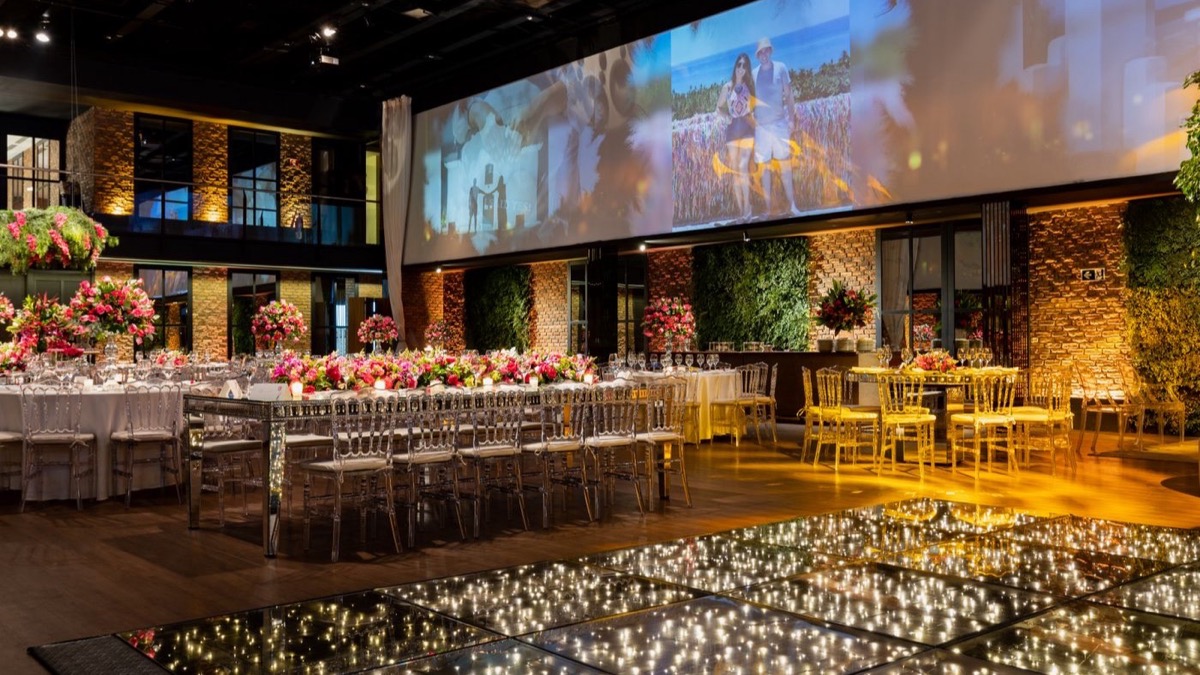
Dear Ever makes cinematic wedding photo stories. This guide helps you choose a video purpose and write a useful production brief. For selection, scanning and venue testing, see the wedding slideshow preparation guide.
Ask these three questions first
- What should guests know after watching? Your backgrounds, a proposal, a message from friends, or simply what happens next? Give each video one primary job.
- Can guests focus at that moment? A reception loop can be joined midway; a story film needs a clear beginning and end, after guests are seated and the MC can introduce it.
- Can your existing material support it? Photos can make a photo story. Vows and interviews need clear audio. Do not recreate a proposal just to complete a category.
Compare by viewing purpose, not only by name
| Type | What it does | Prepare first | When to combine or skip |
|---|---|---|---|
| Pre-wedding photo / arrival loop | Lets guests see photos as they arrive. | Wedding or everyday photos; no continuous dialogue required. | Ask whether the venue already has albums or display screens. |
| Opening video | Gathers attention before an MC introduction or entrance. | Names, an opening message and a cue that works in the room. | May be unnecessary when the MC already does the introduction. |
| Childhood / love story | Lets both families understand how you arrived here. | Childhood, family, friends and shared memories. | Combine individual childhoods and shared life to avoid repeating the relationship story. |
| Proposal record / messages from friends | Shares one significant moment or message. | Existing video, usable original sound, names and needed captions. | Keep it separate only if it stands on its own; otherwise integrate it into the main story. |
| Thank-you / activity cue | Leads into thanks, gifts or a planned interaction. | Who to thank, activity details and an MC handoff. | Live words may do the job more naturally. |
| Same-day edit / highlights | Looks back at moments from the wedding day. | Same-day coverage, editing and a workable playback time. | Ask the photo/video team; a pre-made photo story cannot replace a same-day record. |
These are not strict categories. One film can carry childhood, love and thanks. Compare services by materials, story and delivery, not by the number of names in a package.
Can a childhood and love story be one film?
Yes. If the goal is to introduce you to both families, structure it as “her / him / us”: each person’s world first, then the shared story. It gives both sides familiar people and a clear turn in the film.
Example photo plan: start with 36 photos: 10 from each person’s childhood and growing up, then 16 shared memories. It is an editing example, not an equal-count rule. When one person has fewer early photos, recent family or friend photos can help; do not repeat images just to fill a number.
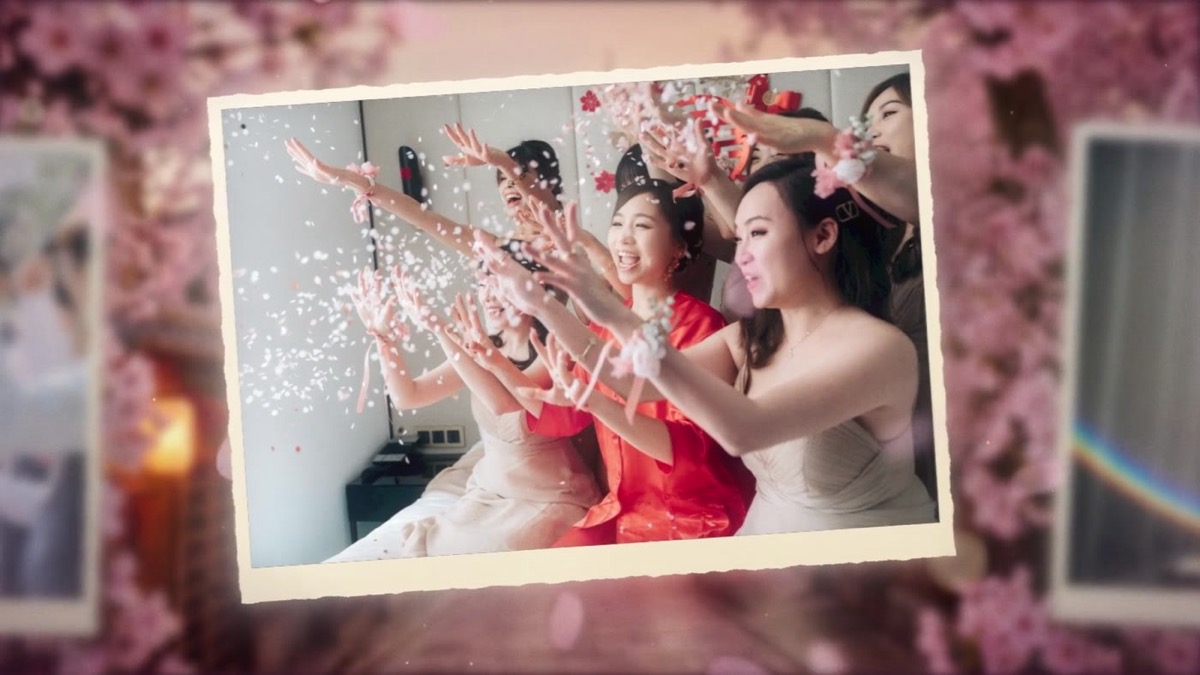
Dear Ever suggests around 30–40 photos and 3–4 minutes as a preparation range. Actual length varies with photo count and style; it is not a universal wedding-video standard. Once you choose the purpose, use the photo selection and ordering guide.
If you need proposal audio, interviews or extensive video montage, use an editing service that supports them. Dear Ever’s fixed photo-story format preserves the people and content in original photos; it does not include wedding-day filming or interviews.
Two reception schedules you can adapt
Example one: keep the programme simple with one main film
Let guests talk and see the venue display while arriving. Once seated, the MC introduces the story film; its ending can lead into an entrance or speech. Combining childhood and meeting saves two introductions and two video starts. Confirm that the couple can be in position before linking to an entrance.
Example two: a main story plus one important message
Use a non-linear photo loop during arrival, play the main story at a focused moment, and show messages from friends while the couple can watch. If two videos tell the same events, remove the overlap before deciding to keep both.
Timing example: a four-minute main film, a 30-second MC introduction and a 30-second transition need five minutes in the programme. This is planning guidance, not a measured average; walking, applause and venue timing need their own confirmation.
A copyable wedding-video brief
Fill this in before sharing it with your partner, maker, MC and venue so everyone is working from the same version.
- Main purpose: Guests should know ________; the three memories to keep are ________.
- Playback position: Before / after ________; ________ speaks after the film; the couple will be ________.
- Film and programme budget: Film maximum ________ minutes; total time including introduction, movement and transition ________ minutes.
- Materials: ________ photos, ________ video clips; keep original sound? ________; missing material supplied by ________ before ________.
- Content boundaries: Must include ________; private photos or messages ________; names and captions approved by ________.
- Music: Song / instrumental ________; reception and public-upload use checked with ________.
- Delivery and revisions: Draft ________; final ________; venue test ________; included changes ________; venue file specification ________.
- Playback handoff: Filename ________; operator ________; cues for source changes and starting the main film ________; backup location ________.
For voice-over, montage or a special script, first ask whether the maker supports it. Compare DIY, commissioned and fixed-format routes in the making-method comparison, then test the finished file with the venue checklist.
Watch a complete story before deciding what to make
If you want to share childhood and life together, watch a complete Dear Ever example to judge whether the photo treatment, camera movement and music fit your reception. The standard photo-story version is HK$799; see the current price and inclusions. For other video types, use the brief above to find a suitable maker.
Topic reference: Wedding Story: Wedding video types and production list (read October 11, 2026). Dear Ever independently prepared the purpose comparison, combining guidance, photo plan, schedules and brief. Examples are planning guidance, not customer cases or reception-performance tests.
Related reading
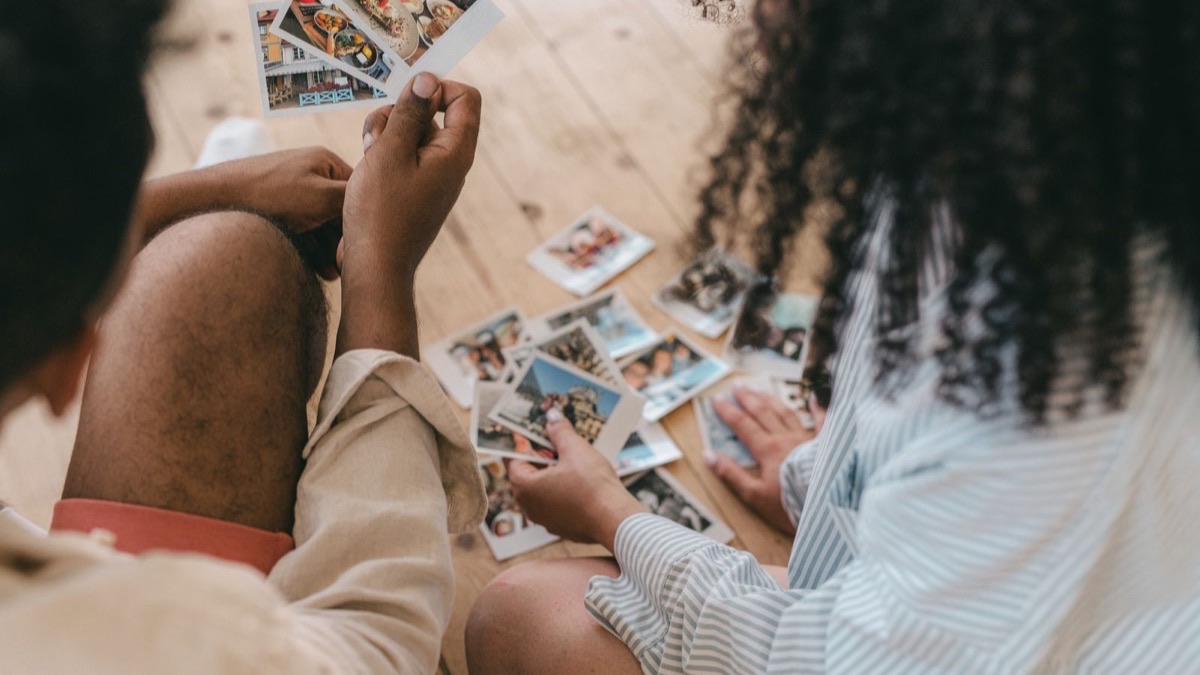 Planning and photosHow Many Photos for a Wedding Slideshow? Photo and Song Length CalculatorEnter a photo count or song length to see how long your wedding slideshow runs. From Dear Ever's actual timeline: about 5 seconds a photo; 30 photos run about 3 minutes.
 Planning and photosWedding Slideshow Feeling Slow? Check These 7 Things Before Adding EffectsImprove a wedding slideshow draft by removing repeats, adding needed context, balancing both stories and reviewing pace, music and playback with a copyable note.
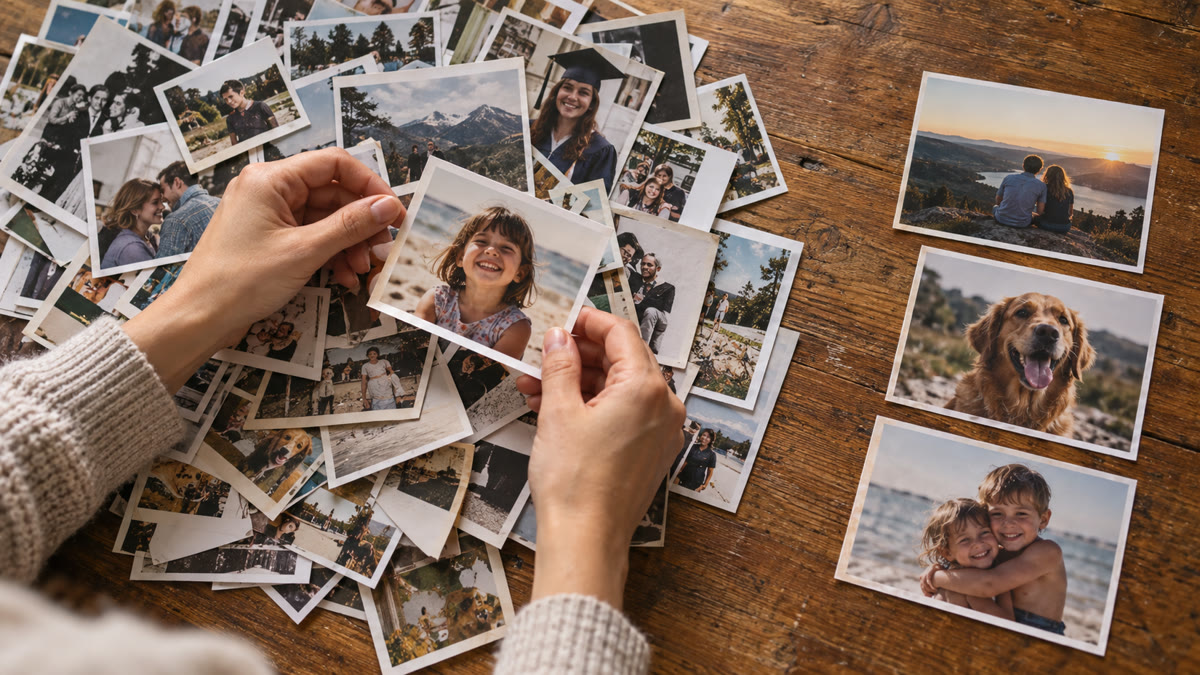 Planning and photosToo Many Photos? How to Choose for Your Wedding SlideshowNot sure which photos to keep? Choose and order 30-40 photos, digitise old prints and prepare for venue playback, with DIY steps and tool-selection tips.
 Ways to make itWedding Slideshow Prices in 2026: 11 Providers Compared. Is Pricier Better?How much is a wedding slideshow? Photo slideshows list at HK$800–1,500, often included with photography; filmed MVs and AI films HK$6,800–13,800. Prices from 11 official sources, why they differ and extra charges.